
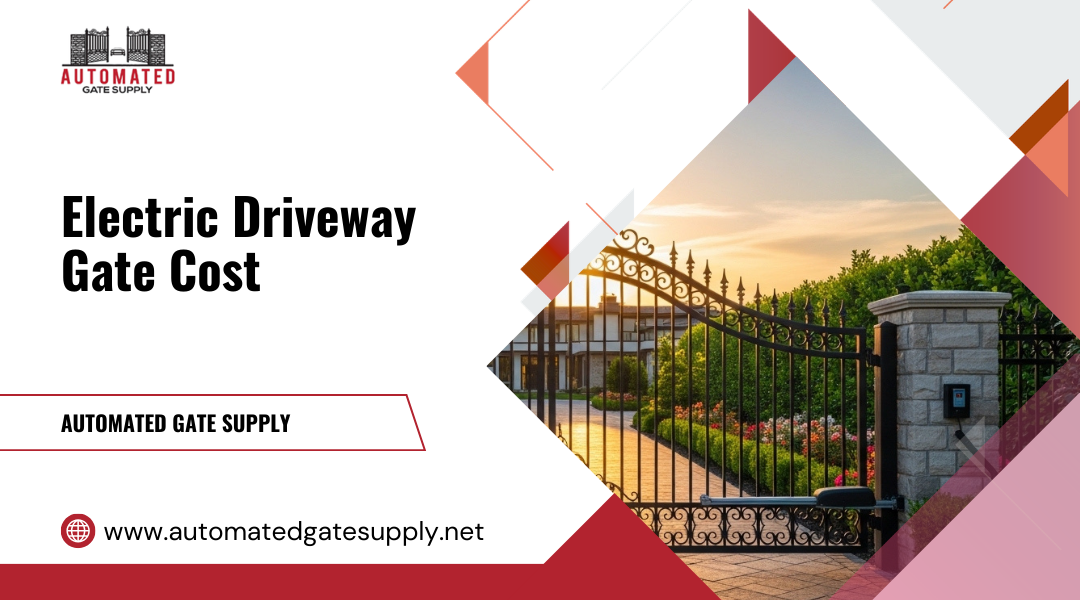
Electric driveway gates can transform your Los Angeles property with added security and curb appeal, but understanding the real price tag in 2026 requires looking beyond basic estimates. Most homeowners in Los Angeles should expect to pay between $3,000 and $12,000 for a complete automatic gate installation, though your final cost depends on materials, automation complexity, and site-specific factors unique to LA properties. The wide range reflects the many choices you’ll make, from basic aluminum swing gates to premium wrought iron sliding systems.
The challenge with most cost guides is they focus only on the gate and opener while overlooking expenses that matter specifically to Los Angeles installations. Permit requirements, steep driveways common in hillside neighborhoods, limited access in dense areas, and electrical work all add to your bottom line. As a North Hollywood-based supplier serving LA County since 2003, Automated Gate Supply sees these real-world factors affect projects every day across neighborhoods from Santa Monica to Pasadena.
This guide breaks down what you actually pay for when installing an electric driveway gate in Los Angeles. You’ll learn about hidden costs, regulatory requirements specific to LA, how equipment pricing works from a distributor perspective, and what to budget for maintenance over time. Whether you’re in Beverly Hills or Burbank, understanding these details helps you plan a realistic budget and avoid surprises.
Cost Components Beyond The Gate Itself
An electric driveway gate installation involves multiple systems working together beyond just the gate panel. Materials, automation hardware, electrical infrastructure, and access controls each add distinct costs that shape your total investment.
Fabrication Materials And Design Complexity
Gate material costs form the foundation of your budget. Steel gates run $2,000 to $7,500 and offer maximum security but require rust prevention treatments in Los Angeles’s coastal areas. Aluminum gates cost $2,000 to $5,500 and resist corrosion naturally, making them practical for properties near the ocean. Wood gates range from $1,500 to $6,000 but need regular sealing and staining to prevent warping in Southern California’s sun.
Wrought iron gates command $2,500 to $10,000 due to intricate metalwork and custom designs. Vinyl gates stay between $2,000 and $5,000, requiring minimal upkeep but offering less strength than metal options. Gate size directly affects material costs—a single 12-foot swing gate uses less material than a double 20-foot sliding gate. Custom gate designs with decorative elements, unique patterns, or specialized finishes add $500 to $3,000 to standard fabrication costs.
Gate Operators And Control Systems
The gate opener cost varies by mechanism type and gate weight. Electromechanical openers cost $400 to $2,500 and work well for residential swing gates up to 600 pounds. Hydraulic openers range from $1,500 to $4,500 and handle heavier gates or high-traffic commercial installations.
Swing gate operators typically cost less than sliding gate motors because they have simpler mechanics. A sliding gate requires a track system and stronger motor, pushing automation costs $500 to $1,500 higher than comparable swing installations. Your gate type determines which operator you need—lift gates use different mechanisms than standard swing or sliding designs.
Control systems add $300 to $1,500 depending on features. Basic keypads cost $100 to $300, while smartphone-integrated systems with WiFi connectivity run $500 to $1,500. Gate automation packages bundling multiple controls offer better value than buying components separately.
Electrical Work And Power Supply
Electric gate installation requires proper wiring from your power source to the operator. Basic electrical setup costs $500 to $2,000 for straightforward runs under 100 feet. Complex installations needing underground conduit, multiple power drops, or service upgrades reach $2,000 to $4,000.

Solar-powered systems cost $1,000 to $3,000 more upfront but eliminate ongoing electricity costs. They work well for gates far from your main power panel or properties seeking energy independence. Battery backup systems add $300 to $800, keeping your gate operational during power outages common in some Los Angeles neighborhoods.
Access Devices And Safety Hardware
Safety sensors cost $200 to $1,000 and prevent your gate from closing on vehicles or people. Los Angeles building codes require these sensors for automatic gate installations, making them a non-negotiable expense rather than an optional upgrade.
Remote controls run $50 to $150 per unit—most installations include two remotes, with additional units purchased separately. Keypads range from $100 to $500 depending on whether you choose basic PIN entry or proximity card readers. Intercoms with video capability cost $300 to $1,200 and let you screen visitors before granting access.
Loop detectors buried in your driveway sense approaching vehicles and automatically open the gate, costing $200 to $600 installed. Phone entry systems allowing visitors to call your mobile device add $400 to $800 to your driveway gate automation setup.
Los Angeles Site And Regulatory Cost Factors
Los Angeles properties face unique site challenges and strict regulatory requirements that can add $1,000 to $5,000 or more to your gate installation costs. The city’s hillside terrain, strict fire codes, and permit requirements create cost factors you won’t find in flatter, less regulated markets.
Hillside Properties And Structural Reinforcement
Your hillside property requires additional structural work that flat properties don’t need. Gates on slopes need reinforced pillar foundations to prevent settling and maintain proper alignment. This typically adds $800 to $2,500 to your project cost.
Drainage management becomes critical on hillside installations. Water runoff can undermine gate foundations and damage operators. Your installer needs to create proper drainage channels and install foundation protection, which adds $400 to $1,200 depending on slope severity.
Access challenges on hillside properties increase labor costs by 15% to 30%. Equipment and materials are harder to transport to steep locations in areas like the Hollywood Hills or Mount Washington. Some properties require special machinery or additional workers, pushing costs higher than standard installations.
Local Permitting And Inspection Requirements
Your electric gate installation requires an electrical permit in Los Angeles, typically costing $150 to $300. The permit covers the electrical work needed to power your gate operator and any access control devices. Your contractor should handle the permit application as part of your project.
Some neighborhoods have additional requirements through homeowners associations or historic preservation districts. Areas like Hancock Park or West Adams may require design approval before installation. These reviews can add two to four weeks to your timeline but rarely add direct costs beyond potential design modifications.
Fire Code And Emergency Access Standards
Los Angeles fire codes require all automated gates to include emergency access features. You must install a Knox Box or approved emergency access system, adding $300 to $800 to your costs. This allows fire and emergency services to enter your property when needed.
Your gate must open automatically during power failures in specific fire hazard zones. Battery backup systems that meet this requirement cost $400 to $900 installed. Properties in Very High Fire Hazard Severity Zones face stricter requirements than homes in standard zones.
Fire department access requirements affect gate width and opening speed. Your gate needs to open fully within 30 seconds of activation and provide adequate clearance for emergency vehicles. These specifications may require more powerful operators than you’d otherwise need.
Distribution And Equipment Realities From A North Hollywood Supplier Perspective
Suppliers in North Hollywood face significant challenges in 2026 that directly affect gate pricing, availability, and long-term support. Manufacturer price shifts, shipping delays, and parts access issues create unpredictable costs for customers purchasing electric driveway gates.
Manufacturer Pricing Volatility In 2026
Gate opener manufacturers adjust their pricing every 60 to 90 days based on raw material costs and overseas shipping rates. North Hollywood suppliers report price increases of 8% to 15% on popular brands like LiftMaster and Apollo between January and February 2026 alone.
Your quoted price might change before installation if you delay your purchase by even a few weeks. Aluminum and steel gate materials fluctuate based on global commodity markets. A 12-foot aluminum gate that costs $2,800 today could jump to $3,100 next month.
Suppliers maintain pricing agreements with manufacturers, but these contracts include escalation clauses tied to steel indexes and fuel surcharges. You should request a price lock guarantee in writing when placing your order. Most North Hollywood distributors honor quotes for 15 to 30 days maximum before requiring price reconfirmation.
Inventory, Lead Times, And Shipping Constraints
Standard swing gate openers typically stay in stock at North Hollywood warehouses, but specialty items require 3 to 8 weeks for delivery. Custom wrought iron gates manufactured overseas face the longest delays, often 10 to 14 weeks from order to arrival.

Port congestion at Long Beach continues to affect shipment schedules in 2026. Suppliers cannot guarantee exact delivery dates for imported products. You might need to adjust your installation timeline accordingly.
Most distributors stock basic opener models rated for light to medium duty use. Heavy-duty three-phase openers and commercial-grade sliding gate systems usually require special orders. Local suppliers keep popular 115V and 230V openers readily available, but solar-powered models often ship from out-of-state warehouses.
Warranty Structures And Replacement Parts Availability
Standard gate opener warranties run 1 to 3 years depending on the manufacturer and model tier. LiftMaster offers a 3-year warranty on residential openers, while budget brands like Mighty Mule provide 1-year coverage.
Parts availability determines how quickly you can repair a malfunctioning gate. Common components like circuit boards, arms, and motors for major brands ship from North Hollywood distributors within 2 to 5 business days. Obsolete models or discontinued products create problems when parts become unavailable.
You should verify parts support before purchasing lesser-known brands. North Hollywood suppliers maintain parts inventory for products they sell regularly but cannot stock components for every gate system. Extended warranties cost $150 to $400 and cover parts and labor for an additional 2 to 5 years beyond the manufacturer warranty.
Long-Term Ownership Costs And Tradeoffs
Electric driveway gates in Los Angeles typically require $800 to $2,500 in maintenance over five years, with sliding gates averaging 30% lower repair costs than swing gates. Component replacement cycles and local climate conditions drive most ownership expenses beyond the initial installation.
Maintenance Cycles And Component Wear
Your gate’s motor needs servicing every 18 to 24 months in typical residential use. Most manufacturers recommend professional inspection twice yearly, costing $120 to $200 per visit in Los Angeles.
Chain-driven systems require lubrication every six months. Belts last three to five years before replacement becomes necessary. Direct-drive motors reduce maintenance frequency but cost more upfront.
Photoelectric sensors typically last five to seven years. Gate wheels on sliding systems wear faster on rough concrete and need replacement every three to four years at $80 to $150 per wheel.
Common replacement timeline:
- Battery backup units: 3-4 years
- Remote controls: 4-6 years
- Control boards: 7-10 years
- Motor assemblies: 10-15 years
Your gate’s duty cycle matters significantly. Systems rated for 50 cycles daily will fail prematurely under 100-cycle use.
Repair Frequency By Gate Type
Sliding gates average one gate repair every two to three years after the warranty period. Swing gates require repairs every 18 to 30 months due to hinge stress and arm mechanism complexity.
Los Angeles wind conditions stress swing gate motors more than sliding systems. Dual-swing installations double your motor replacement costs when failures occur.
| Gate Type | Average Annual Repair Cost | Common Issues |
|---|---|---|
| Single Swing | $180-$350 | Hinge wear, arm alignment |
| Dual Swing | $280-$500 | Motor synchronization, control board |
| Sliding | $120-$280 | Track debris, wheel replacement |
Heavy ornamental iron gates increase repair frequency by 20-40% compared to aluminum designs. The added weight accelerates motor and component wear despite proper sizing.
Technology Upgrades And Obsolescence Risks
Smart home integration systems become outdated every four to six years. Your 2026 gate controller may not support communication protocols common by 2031.
Proprietary control systems present the biggest obsolescence risk. Manufacturers discontinue support for older models within 10 to 12 years. Generic Liftmaster or Chamberlain systems offer better long-term parts availability.
WiFi-enabled controllers require firmware updates that some manufacturers stop providing after eight years. Hardwired systems avoid this issue but lack remote access features.
Replacement control boards for discontinued models cost $400 to $800 when available. Retrofitting newer systems ranges from $1,200 to $2,800 depending on compatibility with existing motors and sensors.